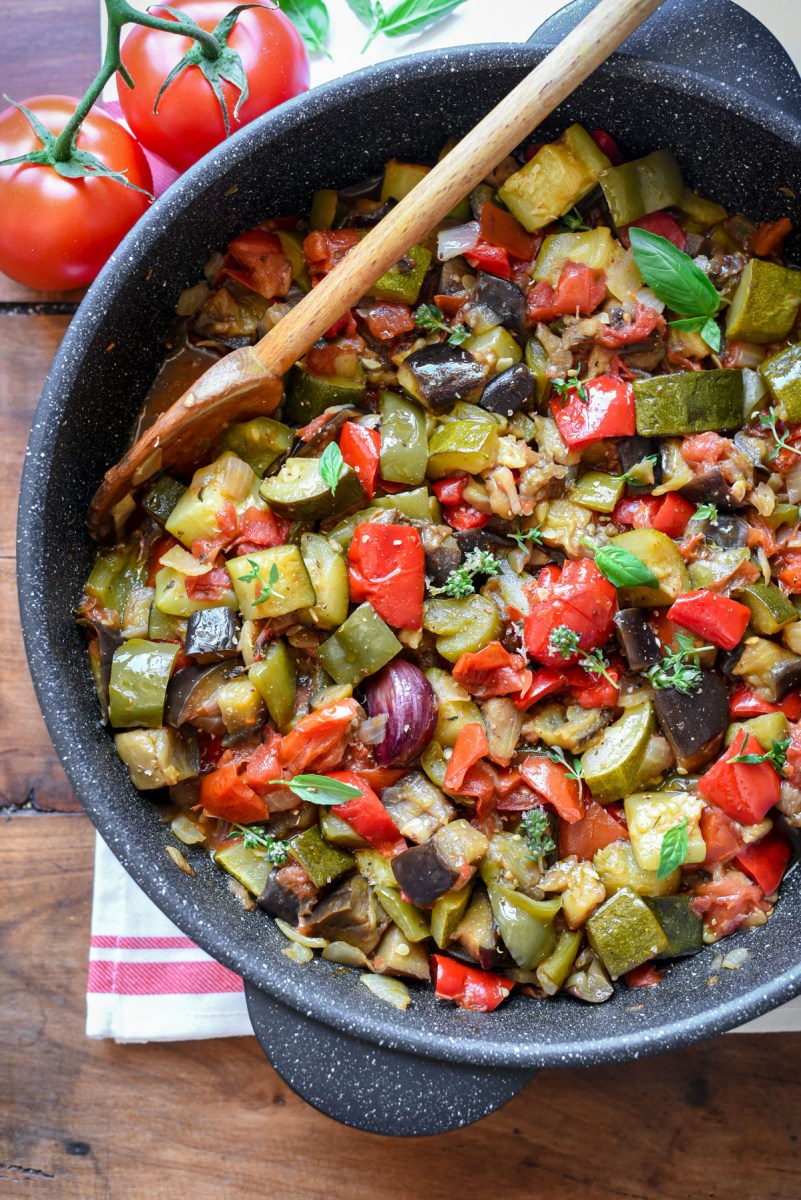
Traditional Ratatouille Recipe: Stovetop Secrets for Summer
As the sun bathes the gardens in golden light and summer vegetables reach their peak, there's no dish more emblematic of the season's bounty than traditional ratatouille. This iconic French Provençal stew, bursting with the vibrant colors and flavors of eggplant, zucchini, bell peppers, and tomatoes, embodies the rustic charm and culinary wisdom of the south of France. While various methods exist, mastering the classic stovetop approach unlocks the true essence of this beloved dish, preserving the texture and character of each ingredient.
Imagine a culinary escape to Nice, where this hearty, healthful stew originated. It’s a celebration of simplicity, fresh produce, and the art of slow cooking – a perfect way to transform your summer garden harvest or farmer's market treasures into a meal that's both comforting and exquisitely flavorful. Let's delve into the rich history, intriguing etymology, and step-by-step secrets to crafting the perfect stovetop ratatouille.
A Journey Through Time: The Rustic Roots of Ratatouille
The story of ratatouille is deeply intertwined with the agrarian traditions of 17th and 18th-century southern France. Originating specifically in the region around Nice, which was once part of the Kingdom of Savoy before its annexation by France, this humble dish began as a pragmatic solution for poor farmers. With limited resources but an abundance of fresh, seasonal vegetables like eggplant, zucchini, and bell peppers from their gardens, they ingeniously combined them into a nourishing stew.
Early versions of ratatouille were likely even simpler, reflecting the ingredients available at the time. Tomatoes, though introduced to Europe after 1492, did not become common in Provençal cuisine until the 19th century, suggesting older variations focused more on the other foundational vegetables. Over centuries, it evolved, slowly incorporating the rich sweetness of ripe tomatoes that define the dish today.
While a staple in Provençal kitchens for generations, ratatouille's popularity truly blossomed in the mid-20th century, championed by culinary writers like Elizabeth David. Its global recognition, however, received an unprecedented boost in the early 21st century, thanks in no small part to the enchanting 2007 Pixar animated film that bore its name, introducing this rustic masterpiece to a new generation of food lovers worldwide.
Decoding the Name: More Than Just a Stirred Stew
The name "ratatouille" itself offers a fascinating glimpse into the dish's origins and preparation. It derives from the Occitan word ratatolha, an expressive, almost onomatopoeic term suggesting a coarse or roughly stirred stew. This linguistic root perfectly captures the vigorous mixing and combining of ingredients characteristic of its rustic, peasant-style cooking.
Tracing its lineage further, ratatolha connects to French culinary terminology through verbs like ratouiller and tatouiller, which are diminutive and expressive variants of touiller – meaning to stir or toss roughly. The prefix rata- in this context typically denotes a chunky stew made from whole pieces, rather than a finely pureed mixture. This etymological journey underscores the dish's association with simple, honest cooking in southern France, where stirring and combining seasonal produce was a fundamental culinary action.
The name first appeared in print in French during the 1770s, documented in dictionaries as a regional expression from Provence. This marked its transition from a local dialect term to a recognized culinary lexicon, influenced by the Provençal dialect, a variety of Occitan. Ultimately, the word's roots can even be traced back to earlier Romance language precedents for mixed vegetable dishes, linking to the Latin tudes (hammer) through Proto-Romance verbs for pounding or agitating ingredients, truly cementing its identity as a hearty, "stirred-up" concoction. For more on this fascinating linguistic history, explore Beyond the Stew: Unraveling Ratatouille's Occitan Origins.
The Stovetop Secret: Crafting Authentic Ratatouille
While modern adaptations of ratatouille might involve roasting or baking the vegetables, the truly traditional method, and arguably the one that yields the most nuanced flavors and textures, is the stovetop stew. The key lies in cooking the vegetables in stages before gently simmering them together, allowing each component to retain its unique character while melding into a harmonious whole.
Essential Ingredients for Stovetop Ratatouille:
- Eggplant: 1 large, cut into 1-inch cubes. Look for firm, shiny eggplants without blemishes.
- Zucchini: 2 medium, cut into 1-inch cubes. Choose firm, small to medium zucchini for best flavor.
- Bell Peppers: 2 (one red, one yellow), seeded and cut into 1-inch pieces. The sweetness of ripe bell peppers is crucial.
- Onion: 1 large, chopped.
- Garlic: 4-6 cloves, minced. Don't skimp on the garlic!
- Tomatoes: 4-5 ripe medium tomatoes (or 1 (28-ounce) can crushed tomatoes). Fresh, ripe summer tomatoes are highly recommended for superior flavor.
- Olive Oil: ½ cup or more, extra virgin, for sautéing. Quality olive oil is non-negotiable for Provençal dishes.
- Herbs: Fresh thyme sprigs (4-5), fresh basil leaves (a handful, torn or roughly chopped), dried oregano (1 tsp).
- Salt and Freshly Ground Black Pepper: To taste.
Step-by-Step Stovetop Method:
- Prepare the Eggplant: Place cubed eggplant in a colander, toss with 1 teaspoon of salt, and let it sit for 30 minutes to draw out excess moisture and bitterness. Pat thoroughly dry with paper towels. This step is crucial for preventing soggy, oily eggplant.
- Sauté the Vegetables (Individually): Heat a quarter of the olive oil in a large, heavy-bottomed pot or Dutch oven over medium-high heat. Add the dried eggplant and cook, stirring frequently, until lightly browned and tender, about 8-10 minutes. Remove with a slotted spoon and set aside. Repeat this process, adding more olive oil as needed, for the zucchini and then the bell peppers, cooking each until slightly tender and lightly caramelized. Set aside. *Cooking vegetables separately allows them to brown properly, developing deeper flavors and preventing them from steaming and becoming mushy.*
- Build the Aromatic Base: In the same pot, add a little more olive oil if necessary, and reduce heat to medium. Add the chopped onion and cook until softened and translucent, about 5-7 minutes. Stir in the minced garlic and cook for another minute until fragrant, being careful not to burn it.
- Add Tomatoes and Herbs: Stir in the fresh or canned tomatoes, dried oregano, and a few sprigs of fresh thyme. Bring to a simmer, crushing fresh tomatoes with the back of a spoon if needed. Season with salt and pepper to taste.
- Combine and Simmer: Gently fold in the previously sautéed eggplant, zucchini, and bell peppers. Stir carefully to combine without mashing the vegetables. Bring the mixture back to a gentle simmer, then reduce heat to low, cover, and cook for 20-30 minutes, or until all vegetables are tender but still hold their shape. The goal is a brief simmer, just enough to meld the flavors, not to cook them into oblivion.
- Finish with Fresh Basil: Remove from heat. Discard the thyme sprigs. Stir in the fresh basil leaves. Taste and adjust seasoning as needed, adding more salt, pepper, or a splash of olive oil for richness.
Tips for Stovetop Success:
- Don't Overcrowd the Pan: When sautéing vegetables, cook them in batches if necessary. Overcrowding leads to steaming instead of browning, resulting in less flavorful and mushier vegetables.
- Quality Olive Oil: Invest in a good quality extra virgin olive oil. It makes a significant difference in the final taste.
- Fresh Herbs are Key: While dried oregano is fine, fresh thyme and especially fresh basil are essential for that authentic Provençal aroma and flavor. Add basil at the very end to preserve its delicate flavor.
- Taste as You Go: Seasoning is crucial. Taste frequently and adjust salt and pepper. A pinch of sugar can help balance the acidity of tomatoes if needed.
- The Next Day Advantage: Ratatouille, like many stews, tastes even better the next day as the flavors have more time to meld and deepen. Make a large batch!
Beyond the Pan: Serving Suggestions and Variations
Traditional ratatouille is incredibly versatile. It can be served warm or at room temperature, making it ideal for summer gatherings. Traditionally, it's a side dish to grilled meats, fish, or poultry, but its richness and complexity allow it to shine as a main course with a hearty slice of crusty bread or over a bed of polenta or rice. For a delightful twist, try it topped with a fried egg for breakfast or brunch, or folded into an omelet.
Its "better the next day" quality makes it an excellent meal prep option. Store leftovers in an airtight container in the refrigerator for up to 3-4 days. You can also freeze portions for longer storage, though the texture of the vegetables might soften slightly upon thawing.
Embrace the Taste of Provence
More than just a recipe, traditional stovetop ratatouille is an experience – a journey through history, language, and the vibrant flavors of the Provençal countryside. It’s a testament to how simple, seasonal ingredients, handled with care and respect, can be transformed into something truly extraordinary. So, this summer, gather your freshest vegetables, embrace the stovetop secrets, and let the rich aroma of authentic ratatouille fill your kitchen, bringing a taste of sun-drenched France directly to your table.
